
Unlock the Nutritional Power of Mushrooms

If you’ve ever wandered through a forest or browsed the produce aisle, you might have noticed mushrooms quietly waiting to be discovered. These fascinating fungi are not just culinary delights but also nutritional powerhouses. As someone who’s been passionate about mushrooms for years, I’m excited to share with you the incredible health benefits of mushrooms and why they deserve a spot on your plate every day.
Why Mushrooms Are a Superfood: Health Benefits of Mushrooms
Mushrooms are often overlooked in the world of superfoods, but they pack a serious punch when it comes to nutrition. They are low in calories, fat-free, and cholesterol-free, making them an excellent choice for anyone looking to eat healthily without sacrificing flavor.
Here’s a quick rundown of what makes mushrooms so special:
Rich in Vitamins and Minerals: Mushrooms are a great source of B vitamins like riboflavin, niacin, and pantothenic acid. They also provide essential minerals such as selenium, copper, and potassium.
Powerful Antioxidants: They contain antioxidants like ergothioneine and glutathione, which help protect your cells from damage and support your immune system.
Boost Immune Health: Certain mushrooms, like shiitake and maitake, have compounds that can enhance your immune response.
Support Heart Health: Mushrooms can help lower cholesterol and improve blood pressure, thanks to their fiber and potassium content.
Aid in Weight Management: Their high fiber and protein content help you feel full longer, which can assist in weight control.
If you want to dive deeper into the world of nutritional mushrooms, there are plenty of resources and products that can help you incorporate these fungi into your diet effortlessly.
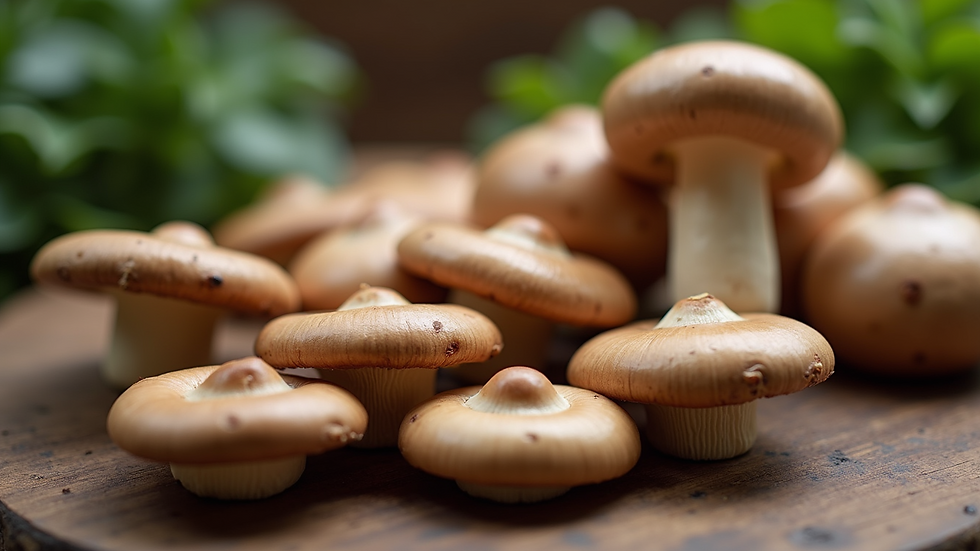
Exploring Different Types of Mushrooms and Their Unique Benefits
Not all mushrooms are created equal. Each variety offers its own unique set of nutrients and health perks. Let’s take a closer look at some popular types and what they bring to the table:
1. Button Mushrooms (White Mushrooms)
These are the most common mushrooms found in grocery stores. They are rich in vitamin D, especially when exposed to sunlight, and contain antioxidants that support immune health.
2. Portobello Mushrooms
With their meaty texture, portobellos are a favorite among vegetarians. They provide a good amount of potassium and B vitamins, which help maintain healthy nerves and muscles.
3. Shiitake Mushrooms
Known for their rich, smoky flavor, shiitakes are also medicinal mushrooms. They contain lentinan, a compound studied for its immune-boosting and anti-cancer properties.
4. Oyster Mushrooms
These delicate mushrooms are packed with protein, fiber, and antioxidants. They also have compounds that may help lower cholesterol.
5. Reishi Mushrooms
Often used in traditional medicine, reishi mushrooms are prized for their ability to reduce stress, improve sleep, and support immune function.
6. Chaga Mushrooms
Chaga is a powerhouse of antioxidants and is often consumed as a tea to support overall wellness and reduce inflammation.
Each mushroom type offers a unique flavor and health profile, so mixing them up in your meals can be both delicious and beneficial.

How to Incorporate Mushrooms Into Your Daily Diet
Now that you know why mushrooms are so good for you, the next question is: how do you eat more of them? Here are some practical and tasty ways to add mushrooms to your meals:
Sautéed Mushrooms: A simple sauté with garlic and olive oil makes a perfect side dish or topping for steaks and burgers.
Mushroom Soups and Stews: Add chopped mushrooms to your favorite soups or stews for extra flavor and nutrition.
Mushroom Omelets and Scrambles: Start your day with a protein-packed breakfast by tossing mushrooms into your eggs.
Mushroom Stir-Fries: Combine mushrooms with colorful veggies and your choice of protein for a quick and healthy dinner.
Mushroom-Based Sauces: Create rich sauces for pasta or rice dishes using mushrooms as the star ingredient.
Grilled Portobello Burgers: Use large portobello caps as a meat substitute in burgers for a hearty, satisfying meal.
Mushroom Powders and Supplements: For those who want the benefits without the cooking, mushroom powders can be added to smoothies or teas.
Remember, cooking mushrooms not only enhances their flavor but also makes some nutrients more bioavailable. So don’t be shy about experimenting with different recipes!
The Science Behind Mushrooms and Your Immune System
One of the most exciting areas of mushroom research is their impact on the immune system. Mushrooms contain beta-glucans, a type of polysaccharide that can modulate immune responses. This means they help your body recognize and fight off pathogens more effectively.
Studies have shown that regular consumption of certain mushrooms can:
Increase the activity of natural killer cells, which are crucial for fighting infections.
Reduce inflammation, which is linked to many chronic diseases.
Support gut health by promoting beneficial gut bacteria.
For example, shiitake and maitake mushrooms have been used in traditional medicine for centuries to boost immunity. Modern science is now confirming these benefits, making mushrooms a natural ally in maintaining your health.
Fun Facts and My Personal Mushroom Adventures
Before I wrap up, let me share a few fun tidbits and personal stories about mushrooms that might inspire you to explore this fascinating world even more:
Did you know that mushrooms are more closely related to animals than plants? That’s right - they belong to their own kingdom called Fungi.
Some mushrooms can glow in the dark! Bioluminescent mushrooms are a magical sight if you ever get the chance to see them.
I once went on a mushroom foraging trip and found a patch of chanterelles. The thrill of identifying and cooking wild mushrooms is unmatched.
Mushrooms have been used in traditional medicine for thousands of years, from ancient China to indigenous cultures worldwide.
The largest living organism on Earth is a fungus - a honey fungus in Oregon that spans over 2,000 acres!
Exploring mushrooms is not just about eating them; it’s about appreciating their role in nature and culture.
Your Next Step to Mushroom Mastery
If you’re ready to unlock the nutritional power of mushrooms, start small. Pick up a few varieties at your local market or try growing your own at home. Experiment with recipes and notice how your body responds to these incredible fungi.
For those who want to dive deeper into the world of nutritional mushrooms, there are fantastic resources and products available that can help you harness their full potential.
Remember, mushrooms are not just food - they are a gateway to better health, flavor, and a bit of fungal fun. So go ahead, embrace the mushroom magic and let your health flourish!
Happy mushroom munching!


Comments